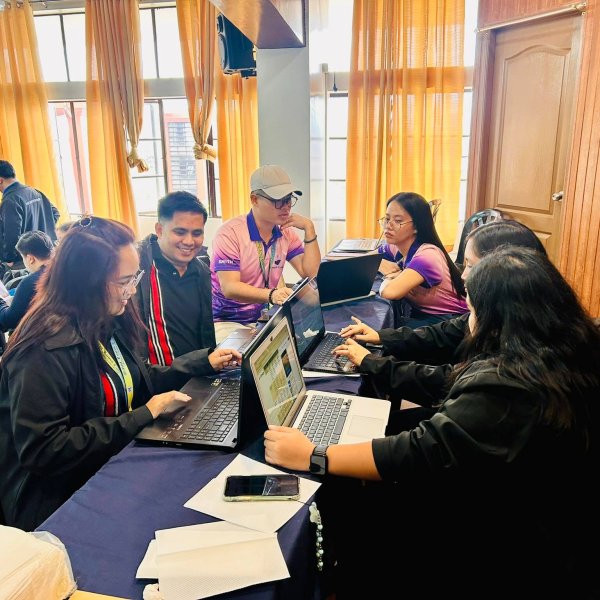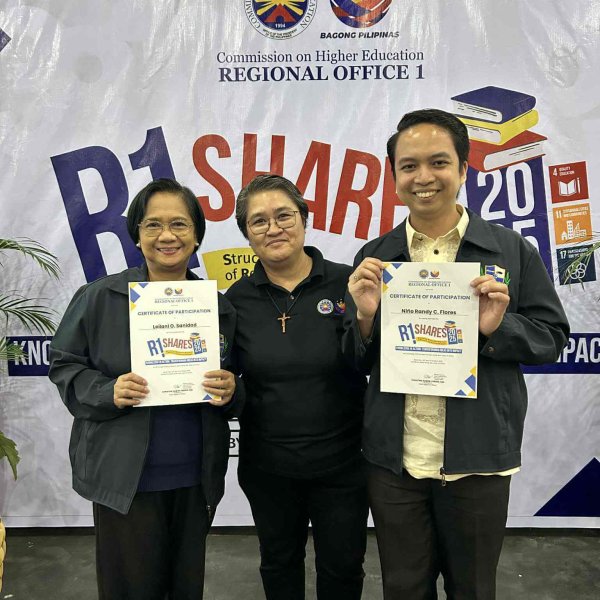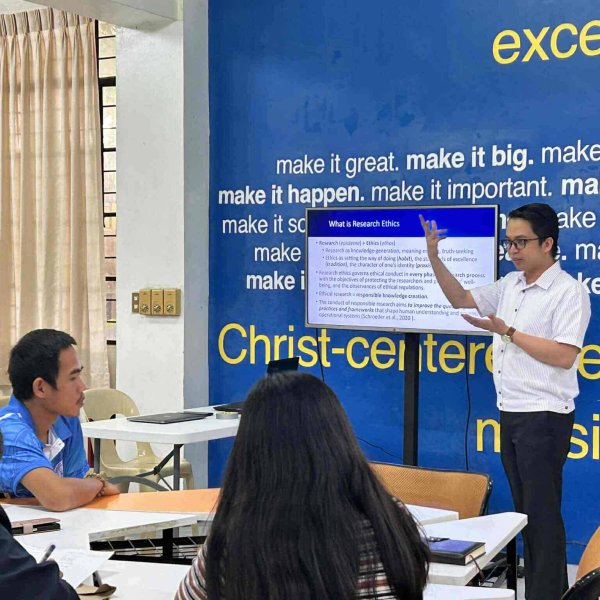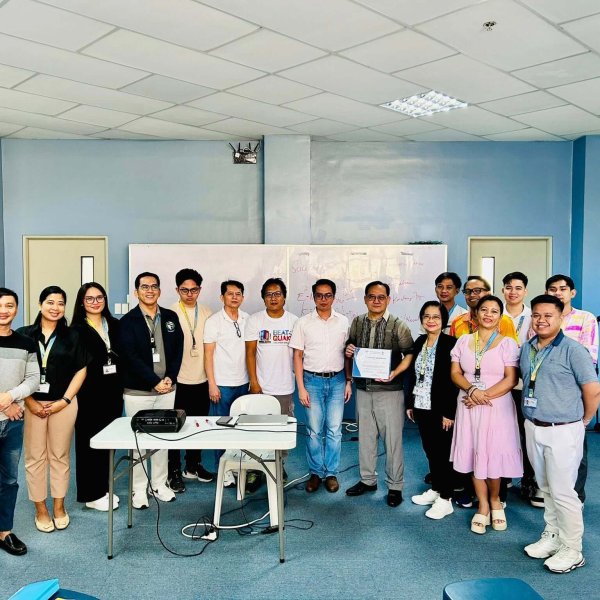
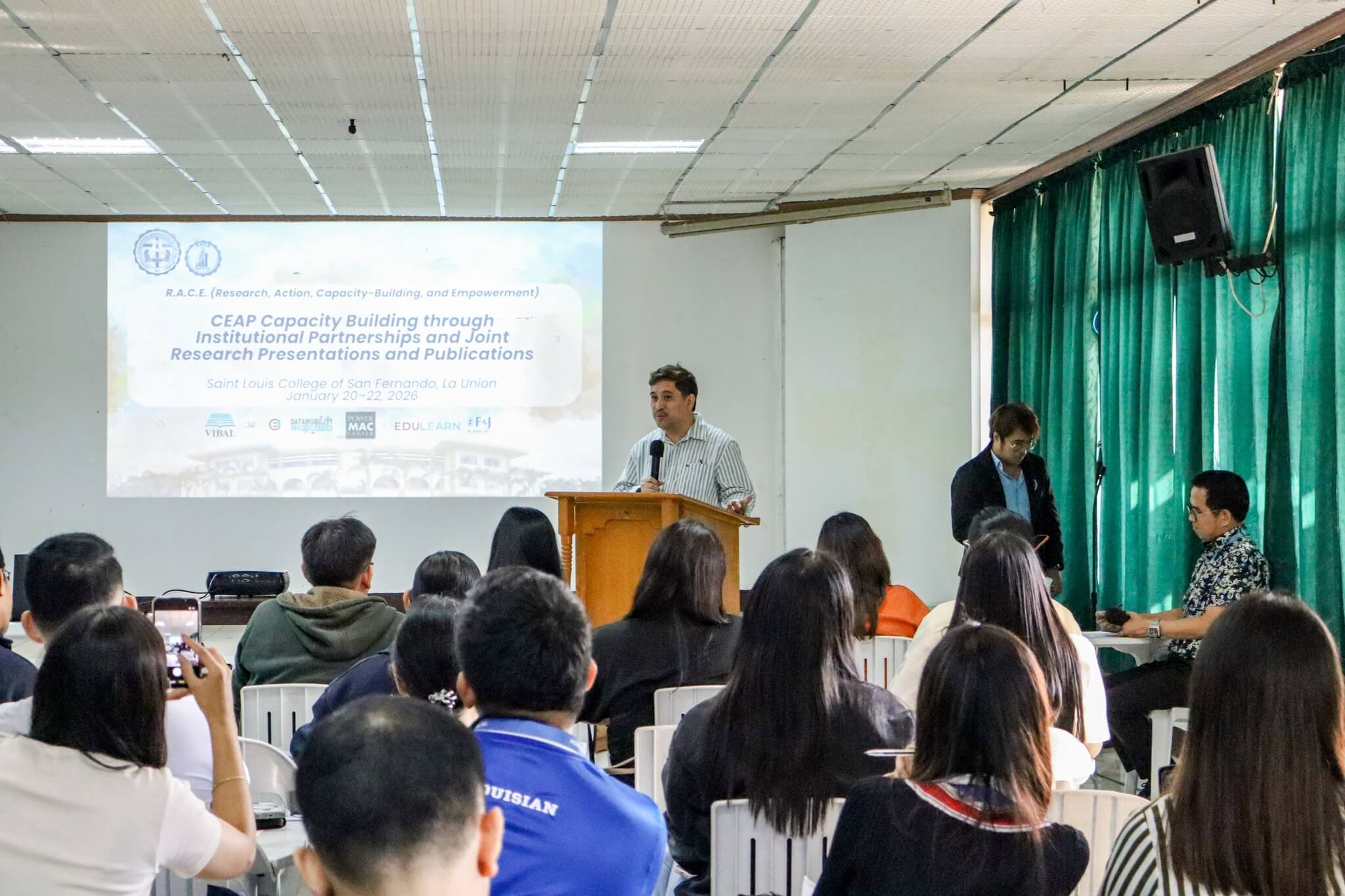
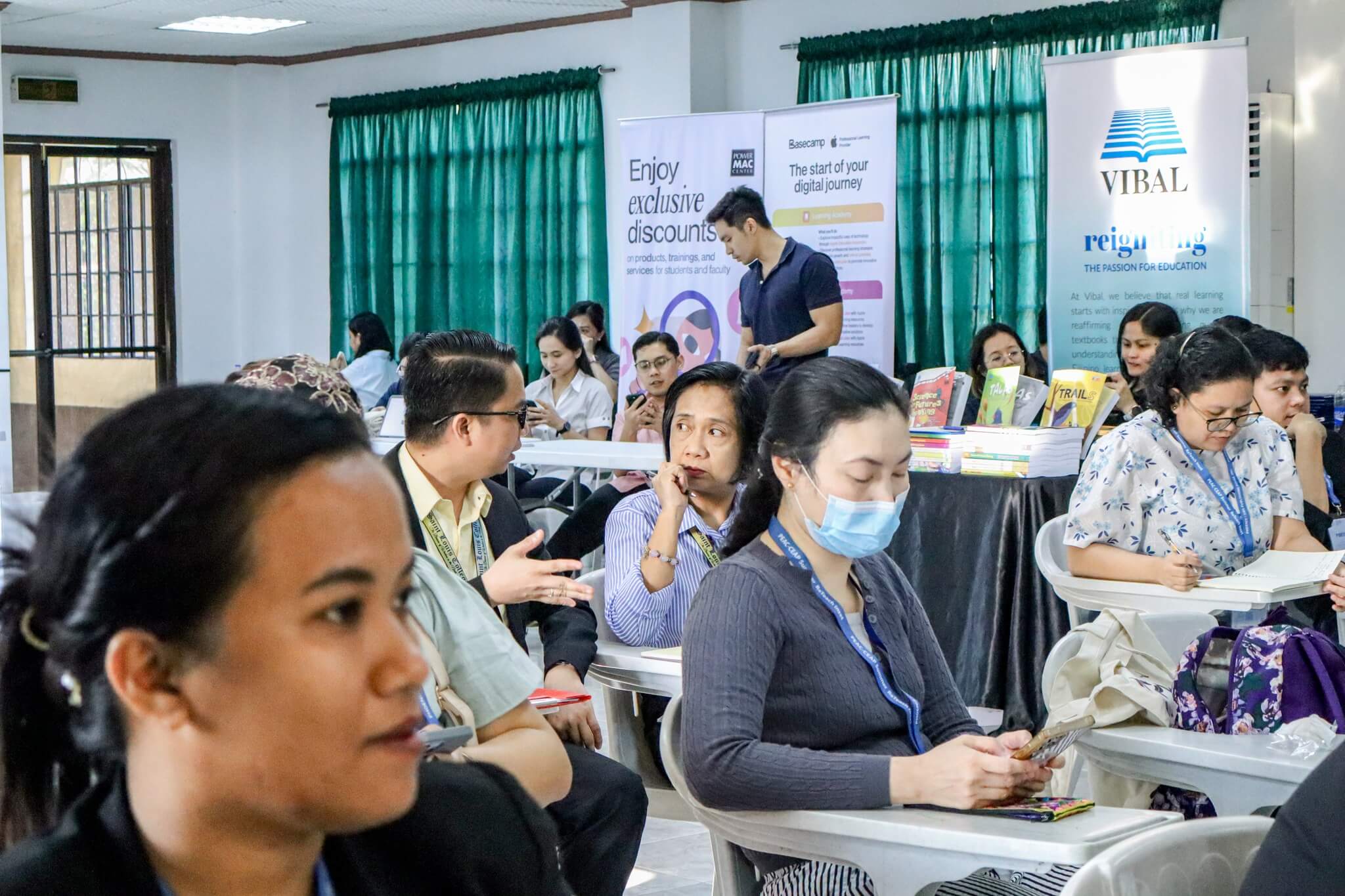
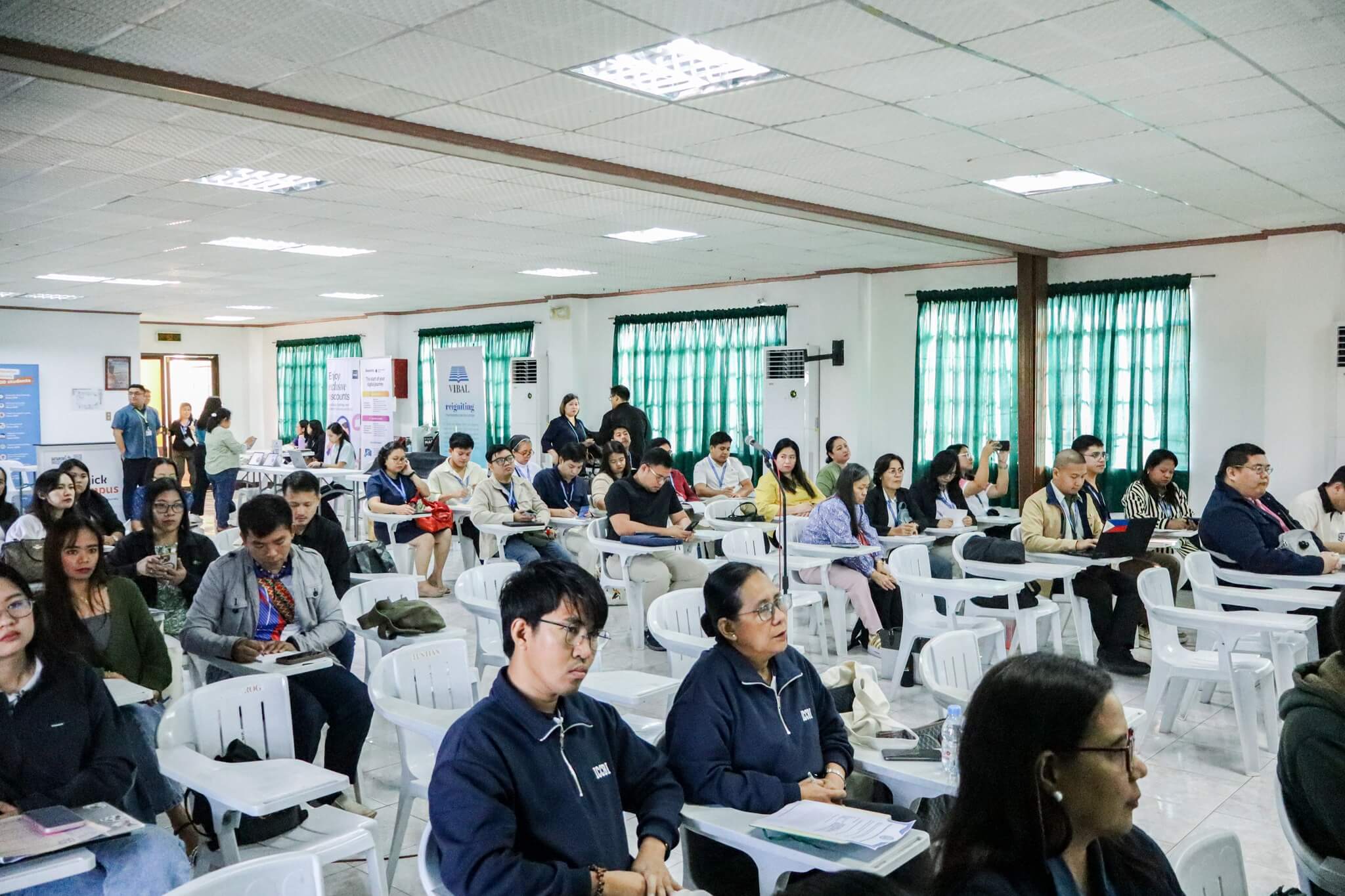
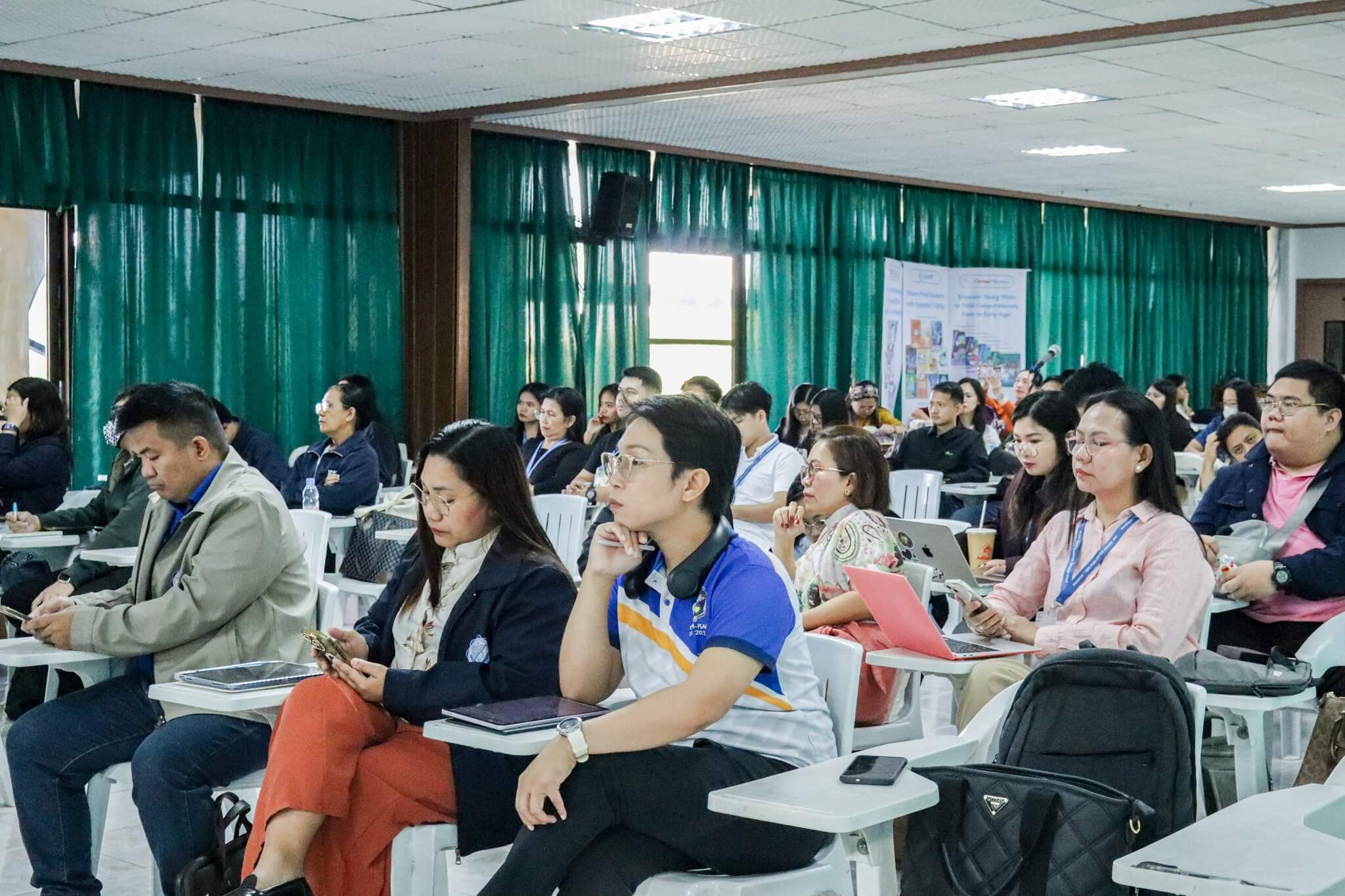
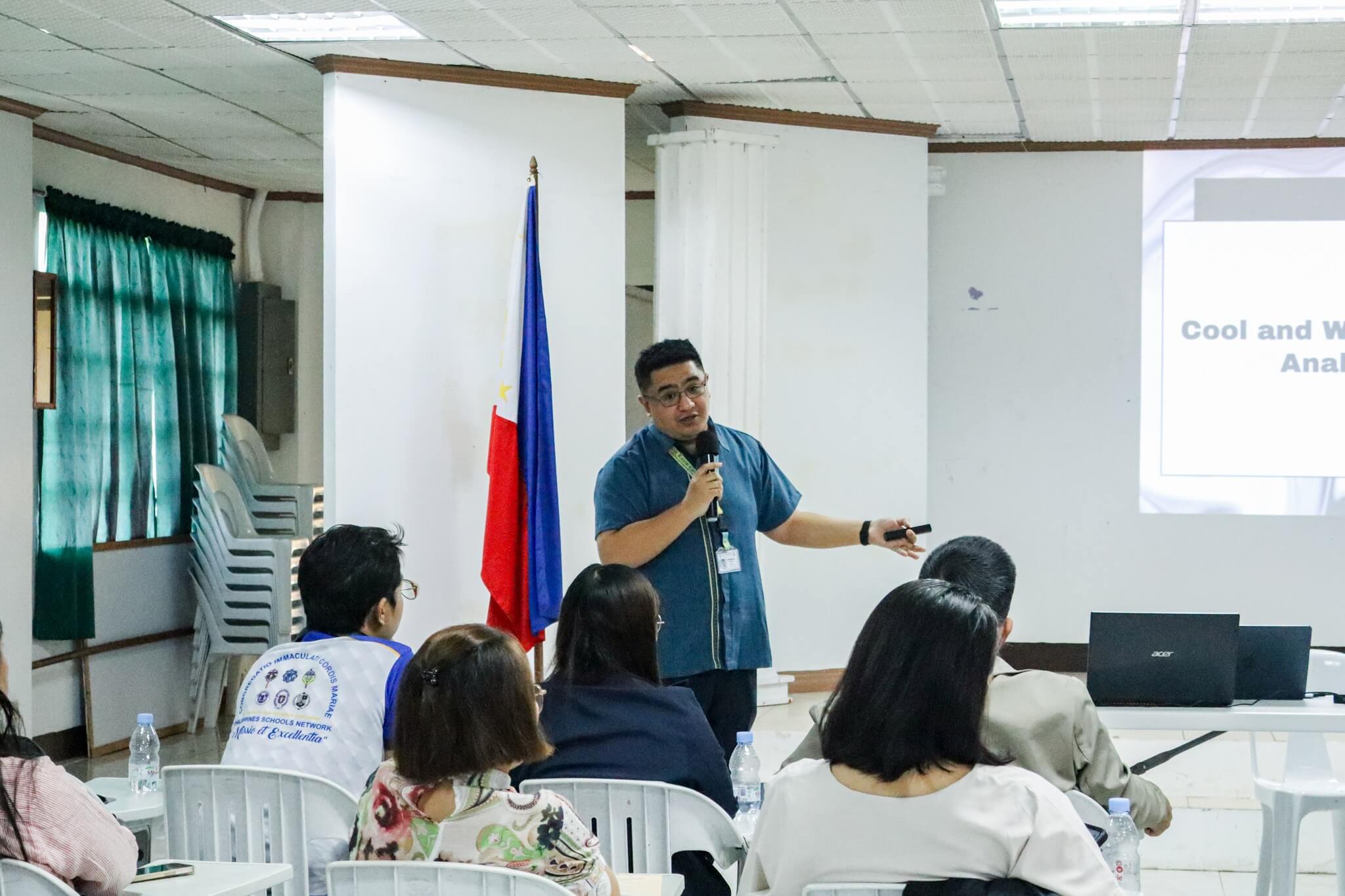
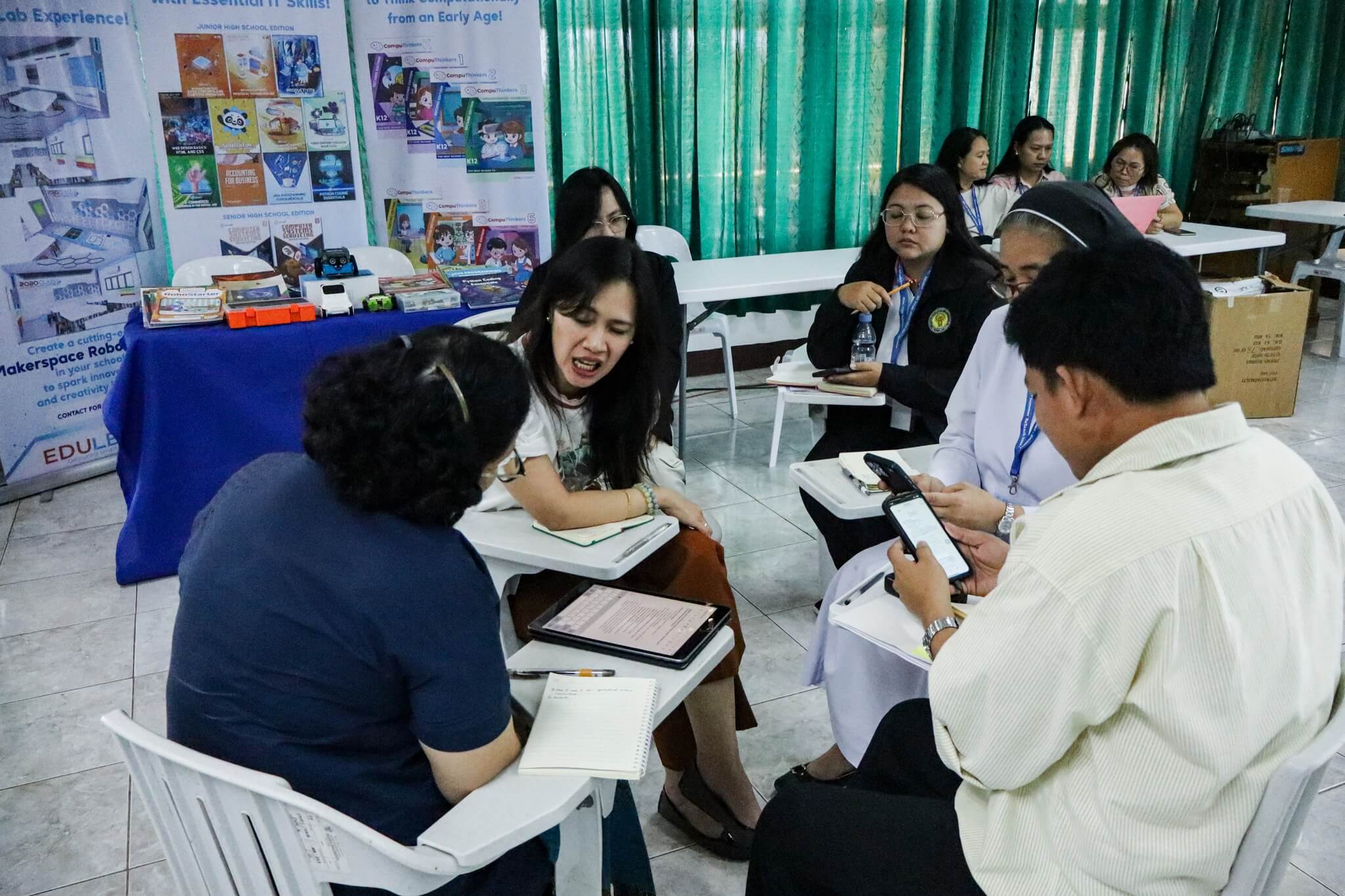
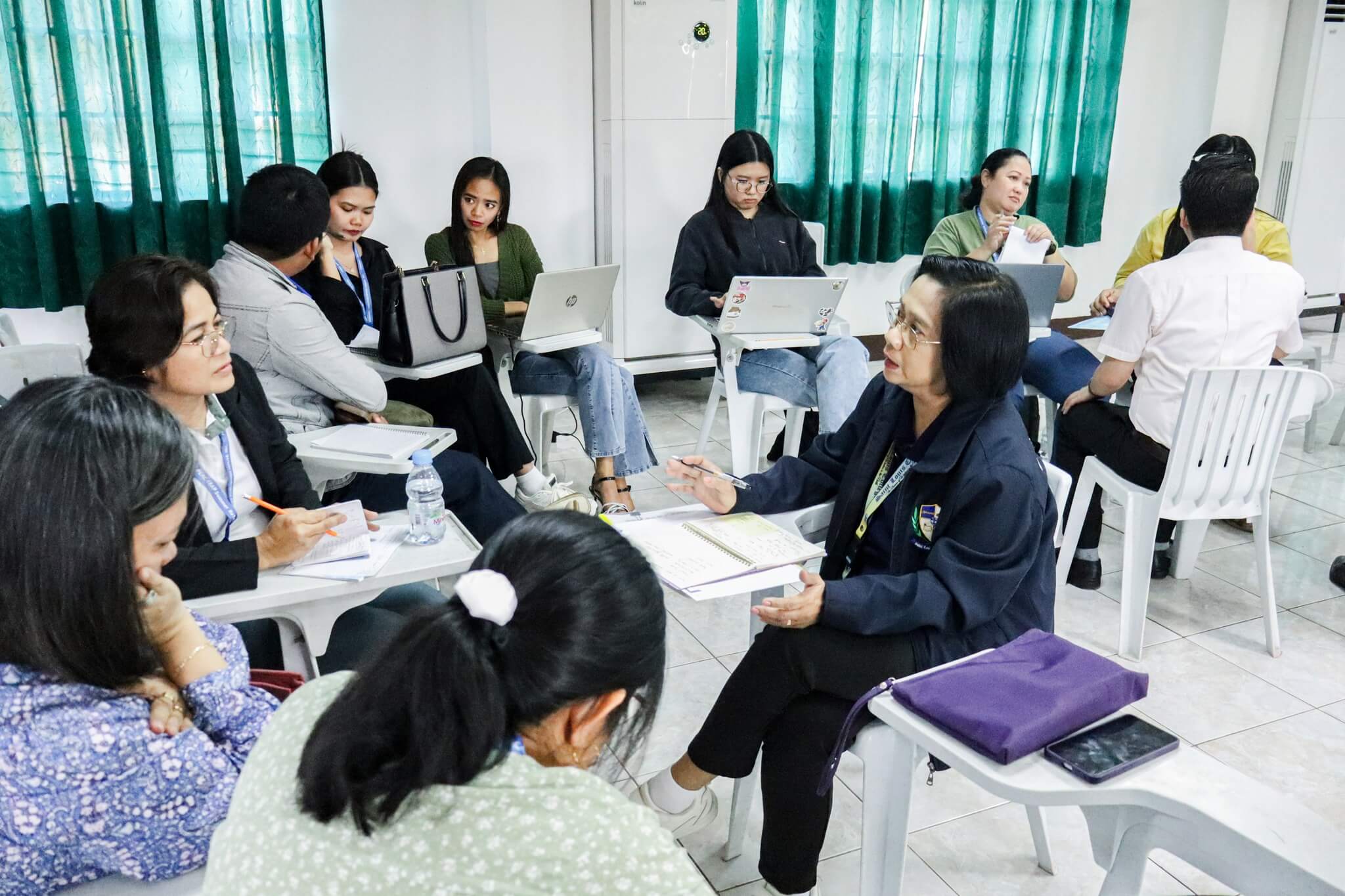
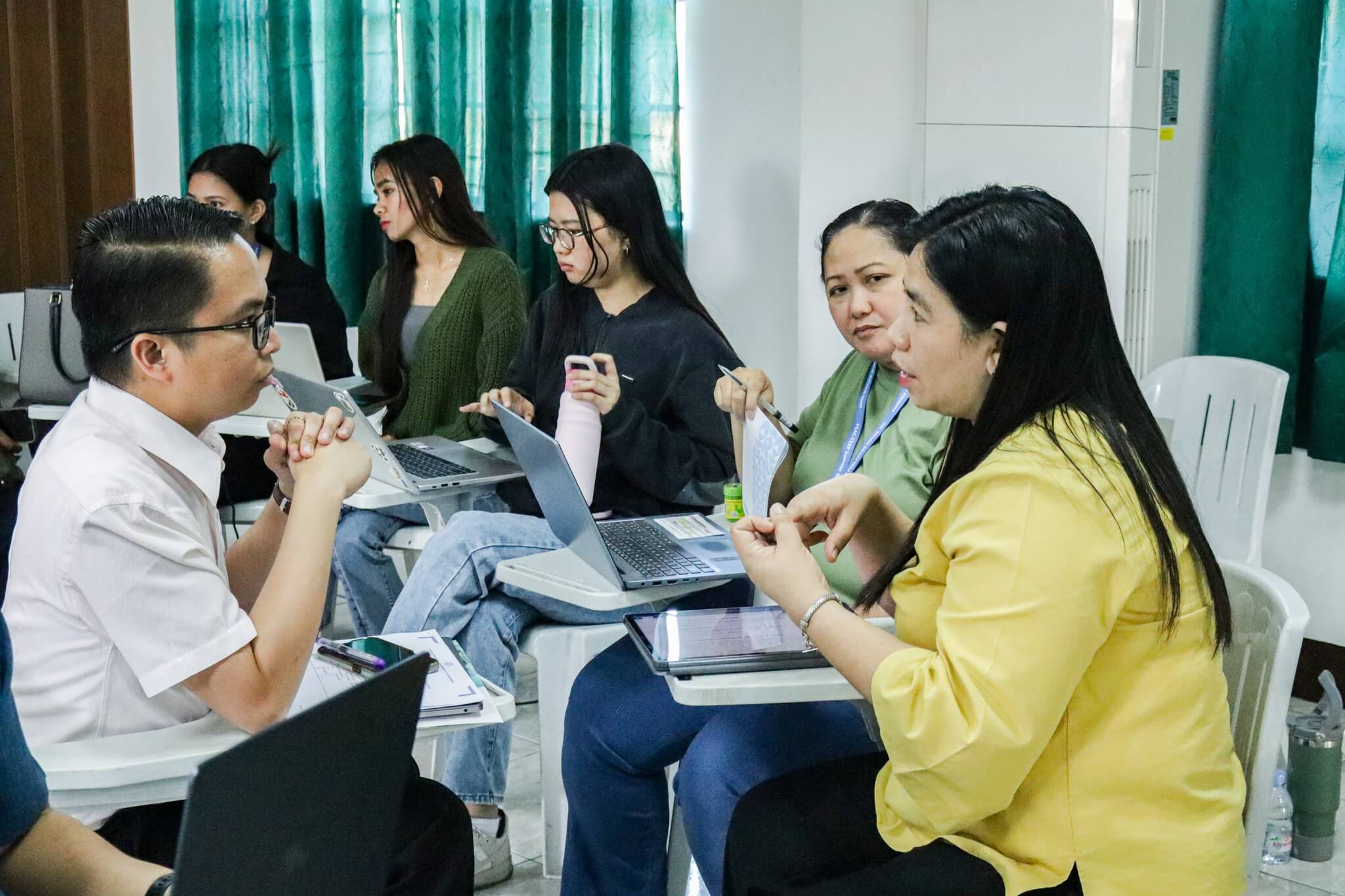
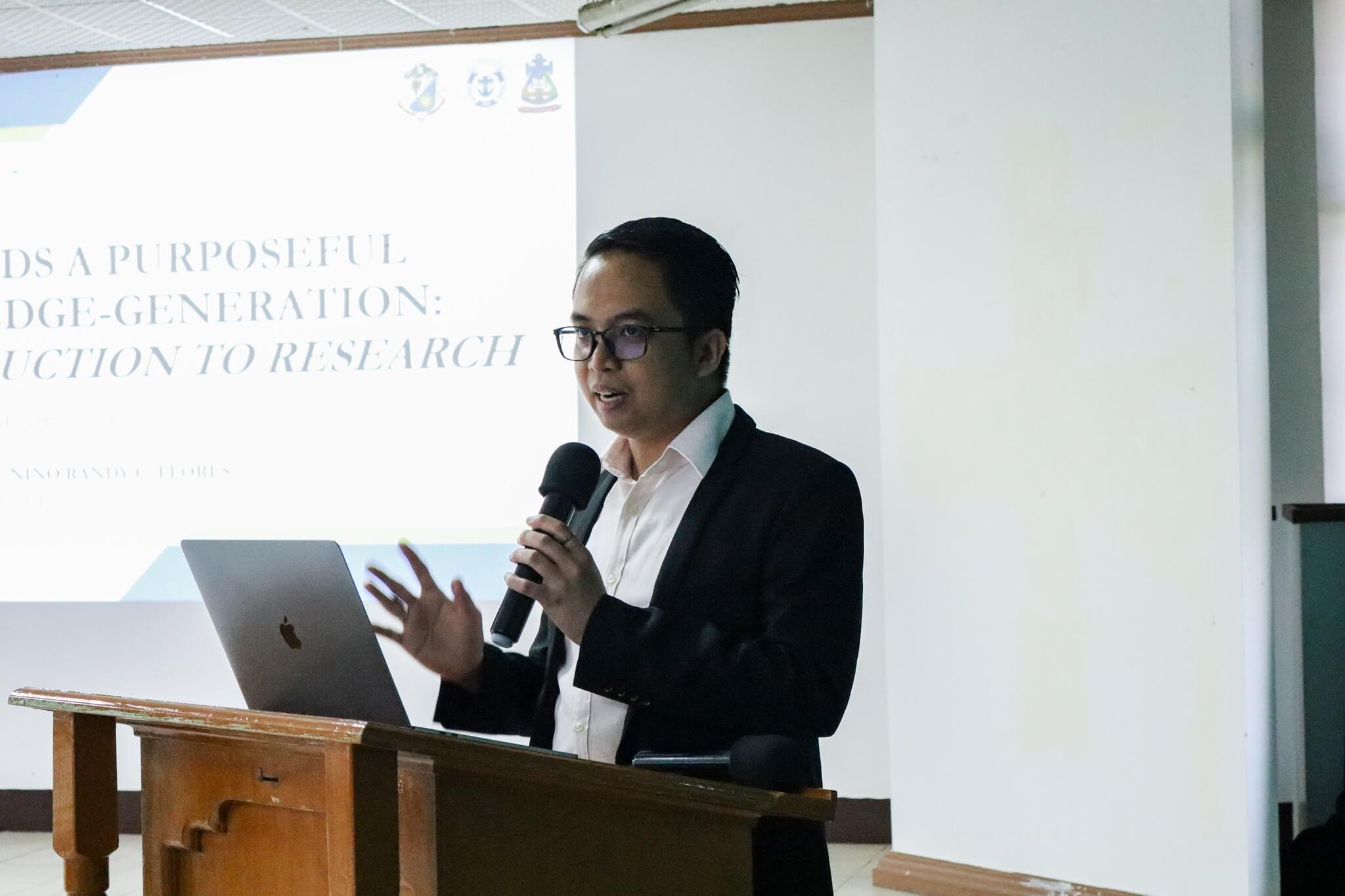
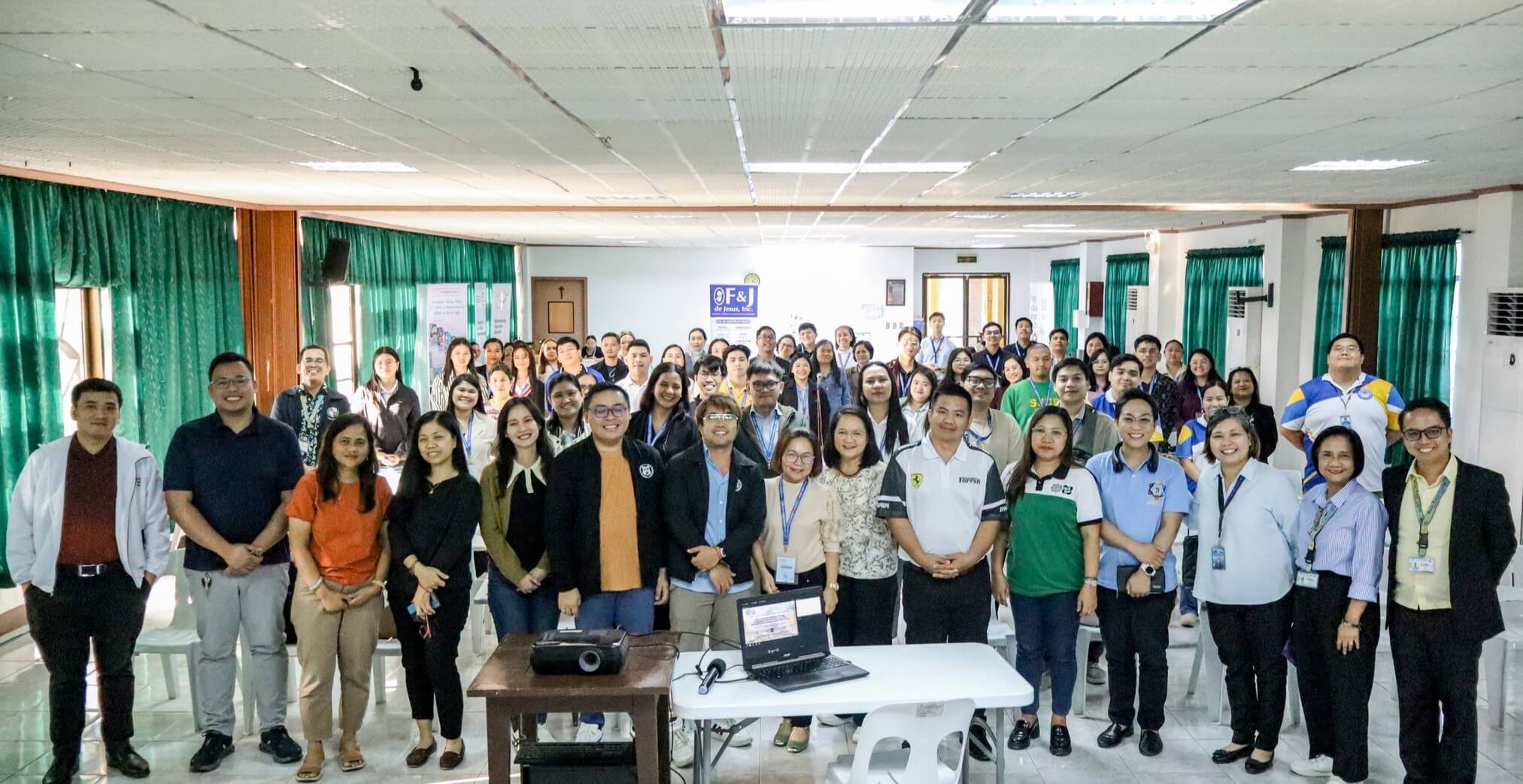
Saint Louis College of San Fernando, La Union (SLC-SFLU) served as co-host of the Catholic Educational Association of the Philippines’ Project R.A.C.E. (Research, Action, Capacity-Building, and Empowerment) held on January 20–22, 2026. Welcoming more than 80 participants from CEAP member schools, the three-day regional engagement gathered researchers, mentors, and academic leaders to strengthen institutional research capacities through collaboration and sustained mentoring.
Organized by CEAP, Project R.A.C.E. is a capacity-building initiative that seeks to enhance research competencies among Catholic educational institutions by promoting institutional partnerships, joint research outputs, and guided scholarship. Anchored on the values of ethical rigor, shared intellectual responsibility, and social relevance, the project positions research not merely as an academic requirement but as a means of responding to real-world challenges and contributing to the common good.
The program formally commenced with a Holy Mass, affirming that research, within the Catholic tradition, is both an intellectual pursuit and a moral vocation. This integration of faith and scholarship set the tone for a program deeply rooted in CEAP’s mission of faith, service, and academic excellence.
Across the three days, Project R.A.C.E. emphasized the full research journey—from conceptualization to design, analysis, and mentoring—underscoring the importance of guided scholarship and sustained collaboration. The structure of the program reinforced CEAP’s vision of building research communities where institutions learn with and from one another, fostering long-term mentor–mentee relationships that extend beyond the event itself.
Project R.A.C.E. extends well beyond the participating schools. By strengthening research competencies within Catholic educational institutions, the project contributes to the production of knowledge that responds to local, regional, and national concerns—from education and social development to ethics, culture, and sustainability. In this way, research becomes an avenue for Catholic schools to more effectively engage society, influence policy, and contribute to the common good.
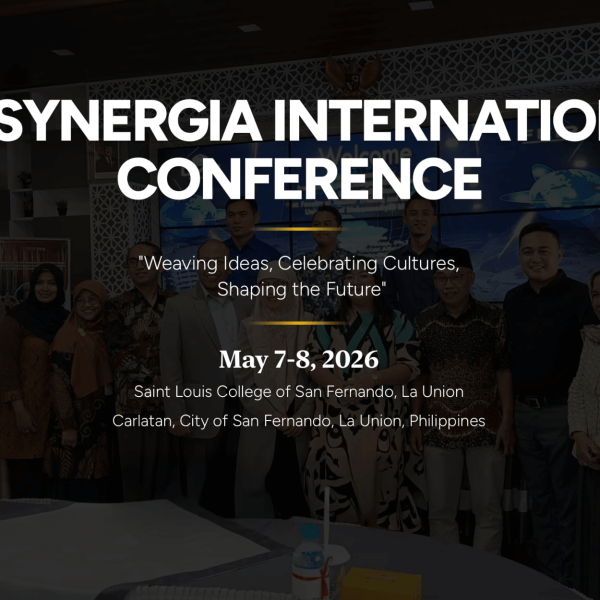
Hosting this landmark initiative is a milestone for the Louisian community as it affirms the school’s growing role as a hub for academic leadership, research formation, and inter-institutional collaboration in Northern Luzon. The presence of scholars, mentors, and researchers from across the region not only elevated the academic life of the campus but also reinforced its identity as a school that actively participates in shaping conversations that matter.